


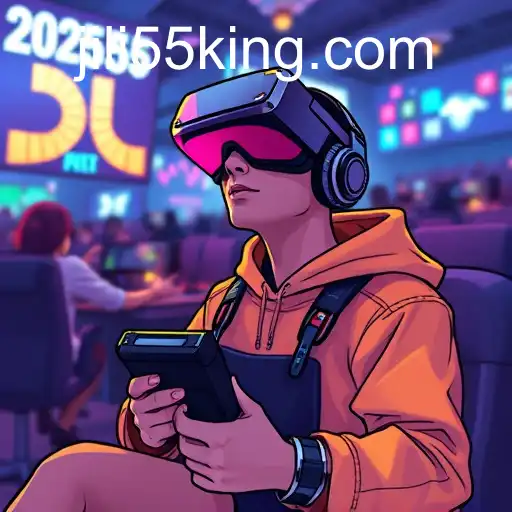
As we move through the year 2025, the landscape of entertainment has drastically evolved with online gaming becoming a formidable force. Among various platforms, jili55 stands out as a prominent gaming website, reflecting the growing trend and transformation within the industry.
In recent years, online gaming platforms have experienced exponential growth, driven largely by advances in technology and increased internet accessibility. Sites like jili55 offer more than just gaming; they provide virtual communities where people from across the globe can connect and interact, highlighting the shift towards more social and immersive digital experiences.
The global pandemic that marked the early 2020s accelerated the adoption of digital entertainment as people sought new ways to socialize and entertain themselves while in isolation. This period bolstered the development of platforms such as jili55, which continue to innovate and expand their offerings by integrating augmented reality (AR) and virtual reality (VR) features.
Commentators observe that the dynamics of gaming have shifted, moving away from traditional solitary play towards complex, multi-player environments that are accessible and engaging. These platforms are not just for recreation; they are shaping cultures, forming new social norms, and creating economic opportunities. For instance, jili55 and similar platforms are increasingly becoming grounds for careers in eSports and content creation.
The adaptability displayed by gaming platforms in response to changing global and technological landscapes is noteworthy. jili55, among others, continues to leverage cutting-edge advancements to enhance user experience. Whether through immersive storytelling, advanced graphics, or novel monetization paths like blockchain-based economies, these platforms demonstrate significant promise.
In a world where digital interaction is more critical than ever, the sustained growth of online gaming sites like jili55 highlights a pivotal shift towards virtualized entertainment, a trend likely to continue reshaping our interactions and media consumption in the years beyond 2025.